
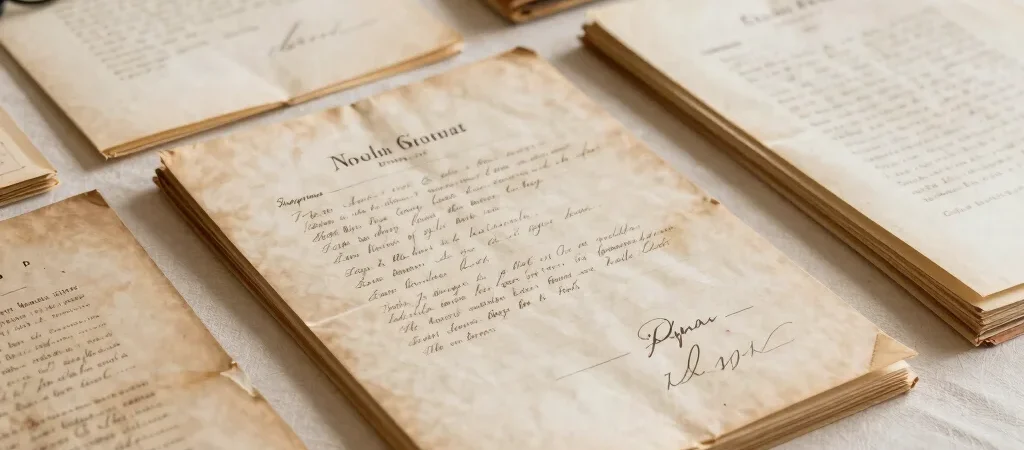
Examining historical memoirs offers a rare window into the practical realities of diplomatic negotiations during critical moments in twentieth-century history. Beyond official communiques and formal dispatch notes, personal recollections reveal the subtle human dynamics, quiet compromises, and strategic foresight that steered statecraft through periods of profound uncertainty.
Preserving the Wisdom of Diplomatic Records
Archival records provide far more than historical sentiment; they function as a practical repository of precedent for contemporary foreign policy analysts. By examining how past statesmen managed complex regional crises, modern practitioners can discern patterns and avoid recurring pitfalls. The careful study of primary sources remains an indispensable discipline in political scholarship.
The Literary Craft of the Diplomat
Writing memoirs requires a deliberate balancing act between objective historical record and reflective narrative. A well-crafted volume must present complex geopolitical events with analytical precision while conveying the lived atmosphere of the negotiating chamber. When approached with scholarly rigour, such memoirs transcend personal history to become enduring contributions to political literature.
Lessons for Modern Foreign Policy Analysis
Ultimately, re-evaluating historical archives reminds us that effective diplomacy relies on rigorous preparation and historical memory. In an era characterised by rapid communication and brief news cycles, the reflective depth found in diplomatic memoirs serves as a necessary anchor. Scholars and diplomats must continue to cultivate this archival perspective to inform future statecraft.